D-day! It’s finally arrived. After a couple of weeks of occupying all the available space inside of my head I had finally come up with an idea that I am happy to present in front of my team. Honestly, the thing that was mostly on my mind is how am I meant to take all these models and equipment into the class?
Like previous weeks, I will be using the Gibbs Reflective Cycle model (Gibbs, 1988) to help guide and allow me to explain and articulate how I felt and what knowledge and insight I gained from the experience.
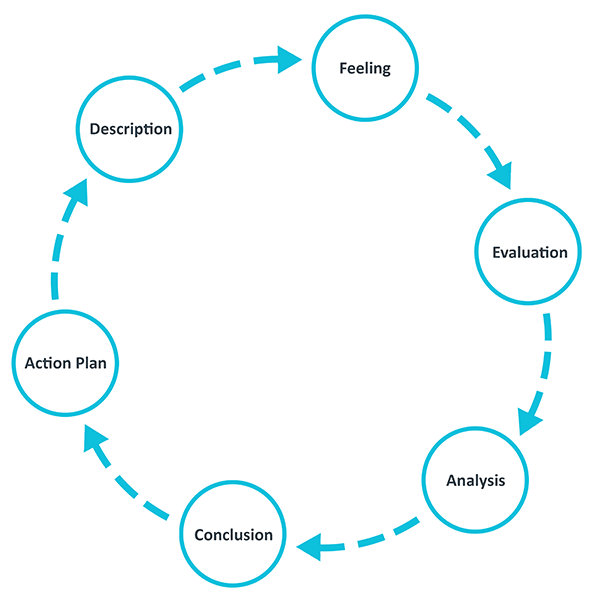
Description
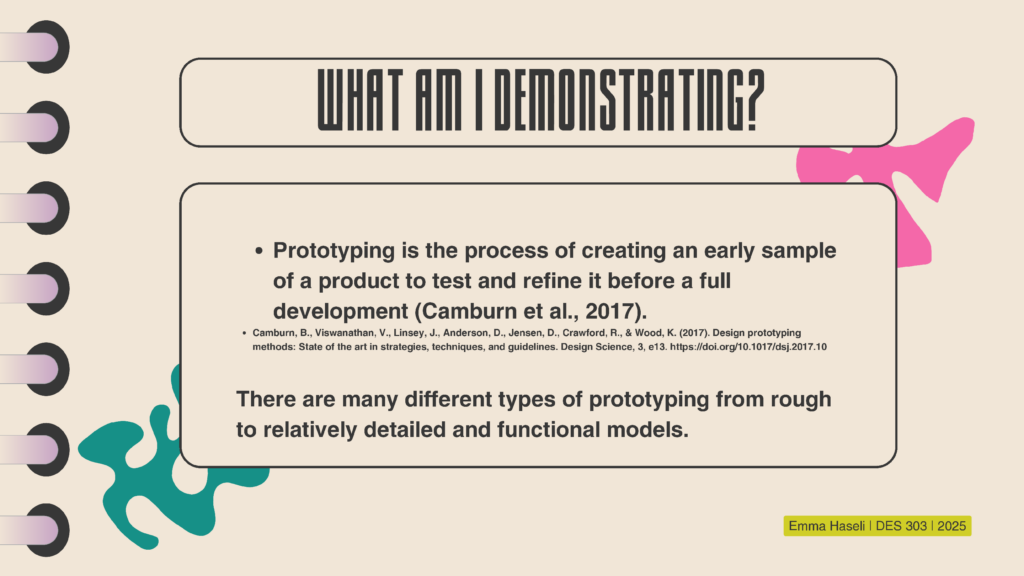
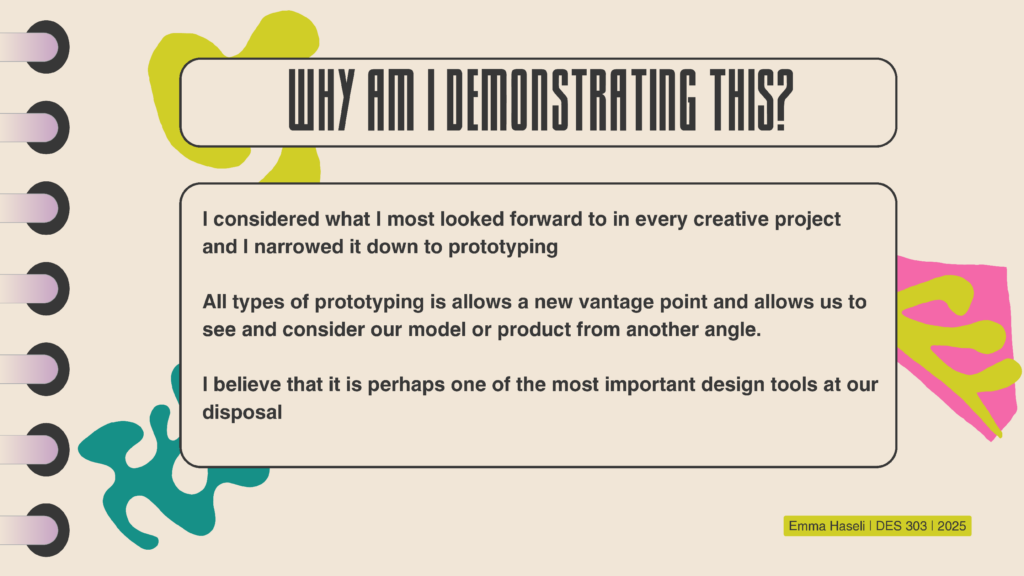
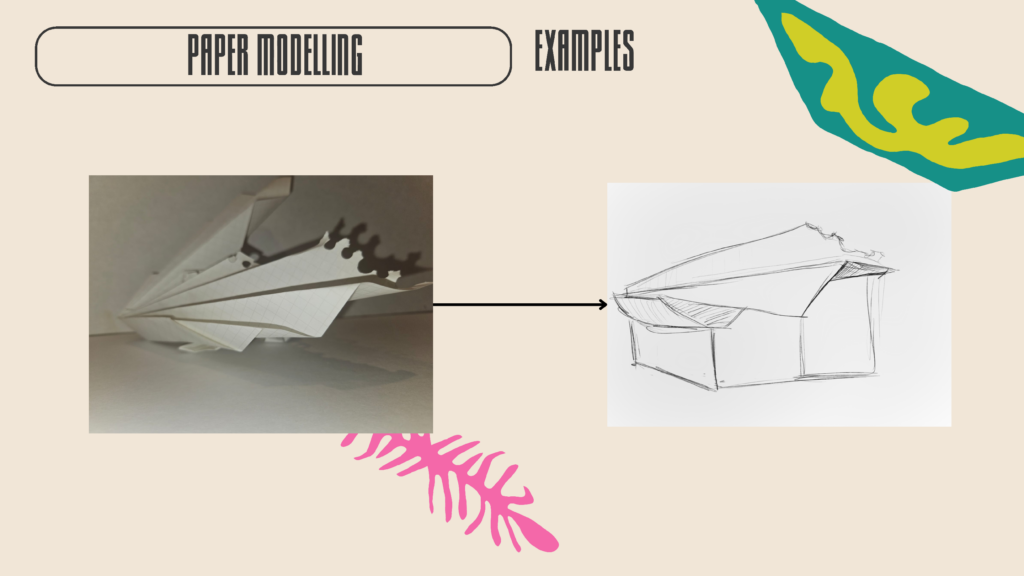
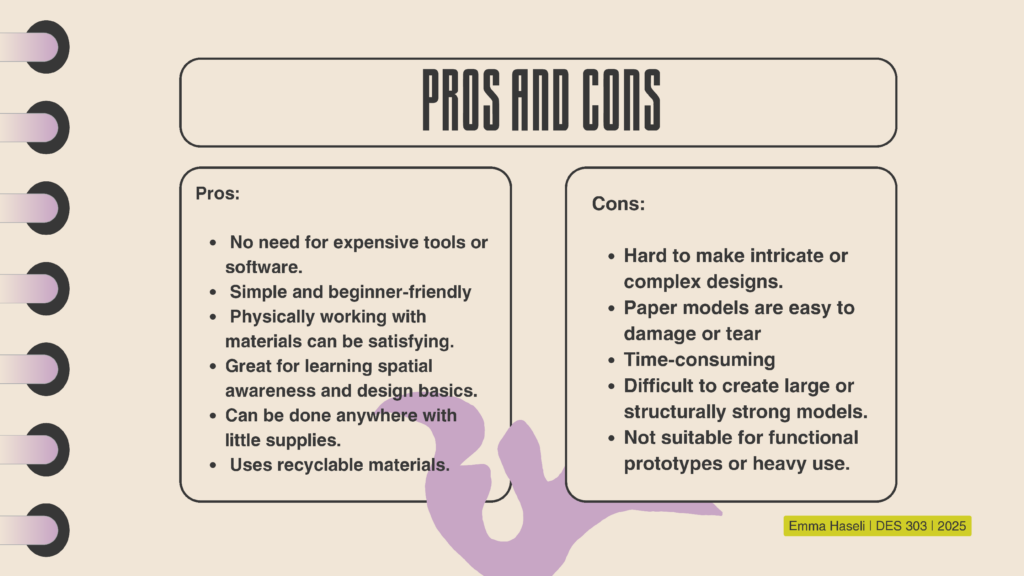
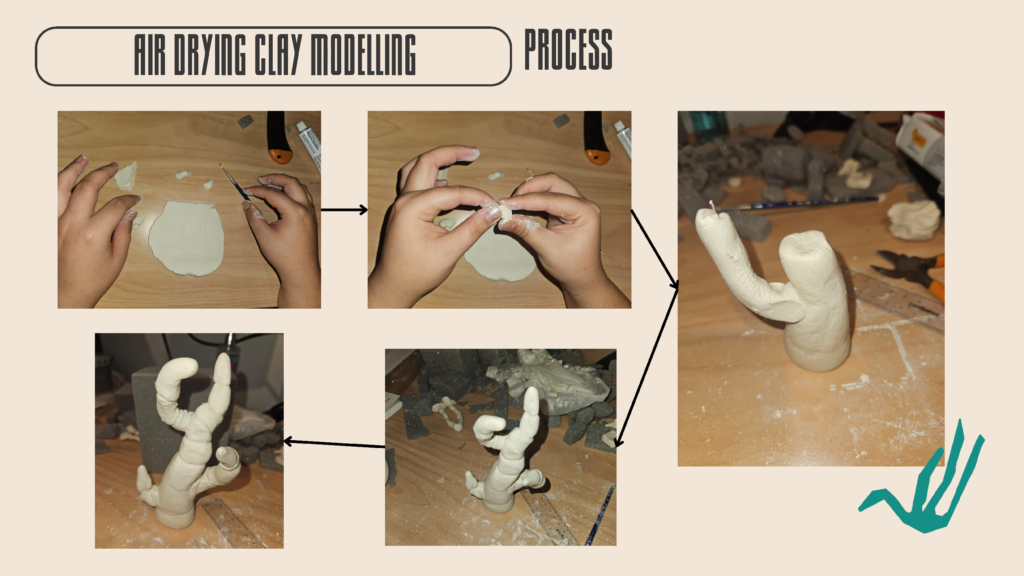
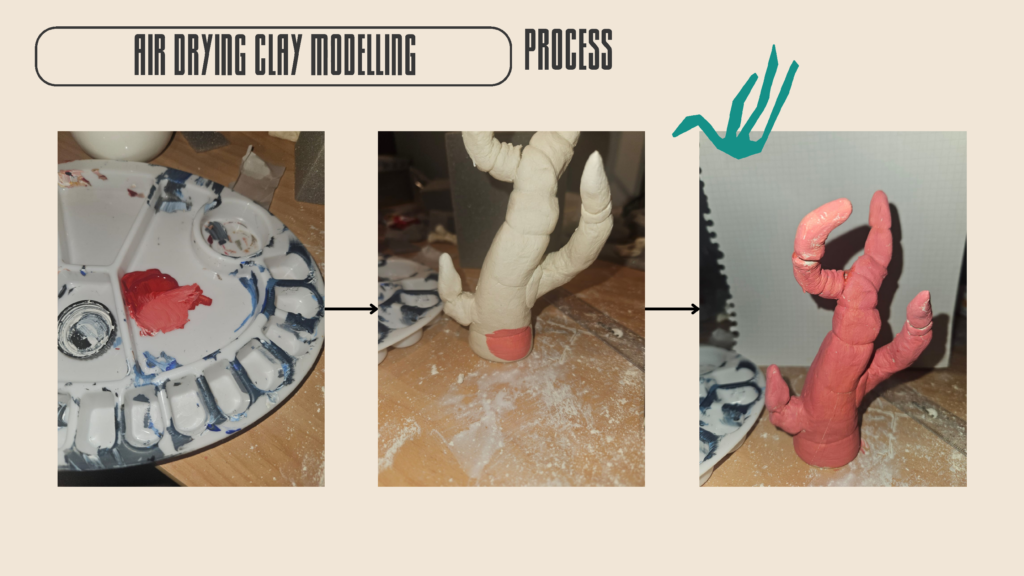
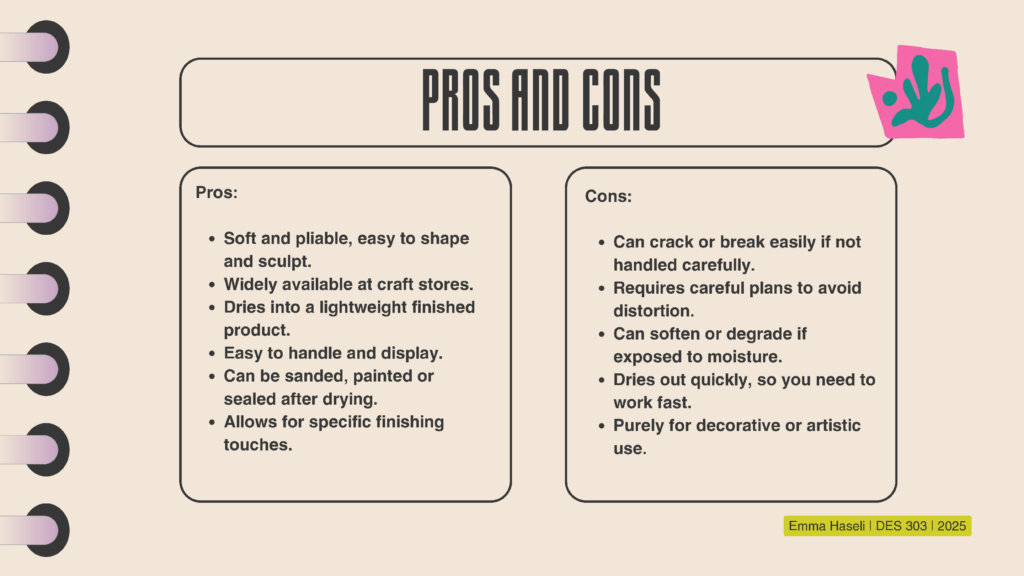
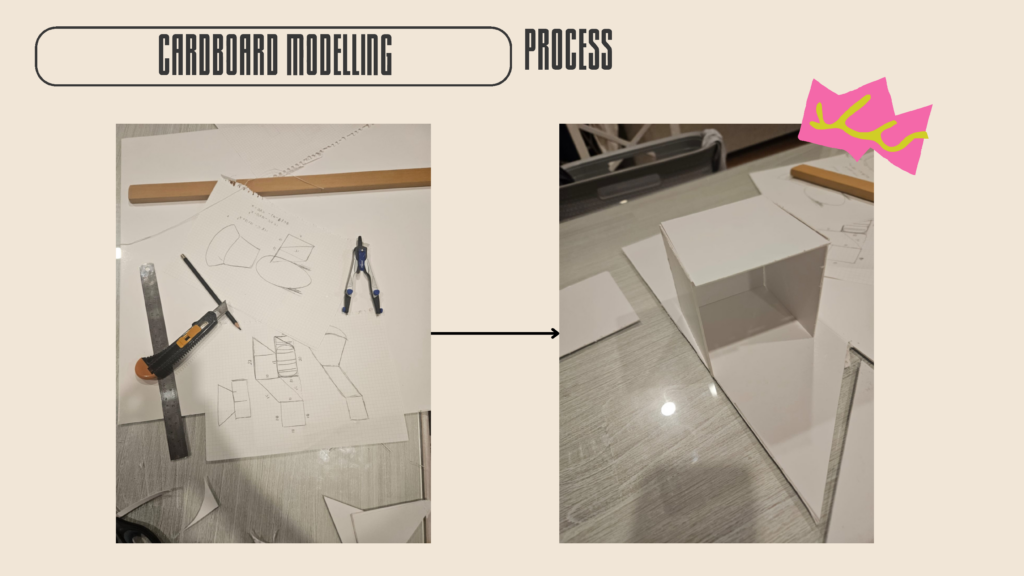
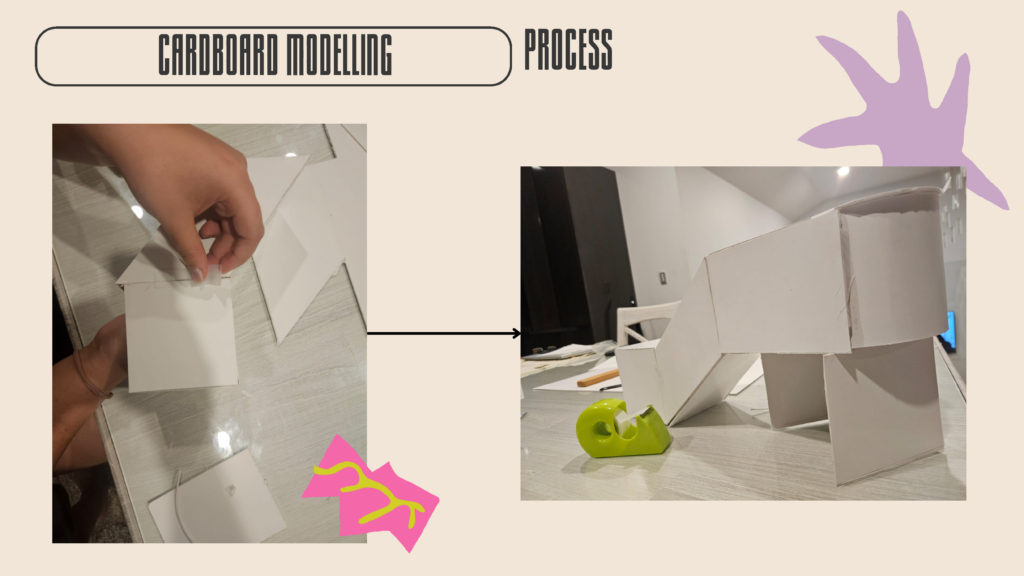
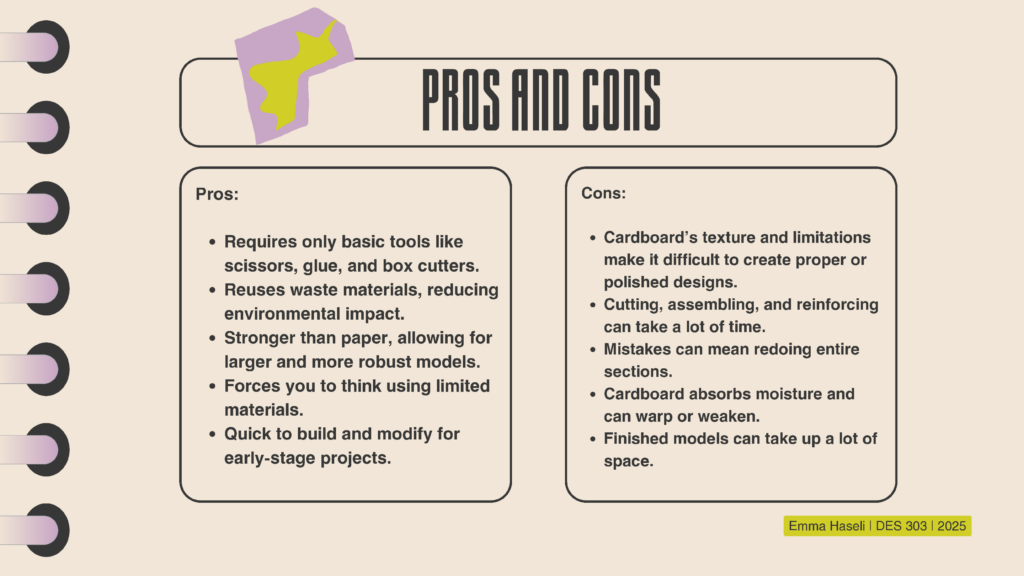
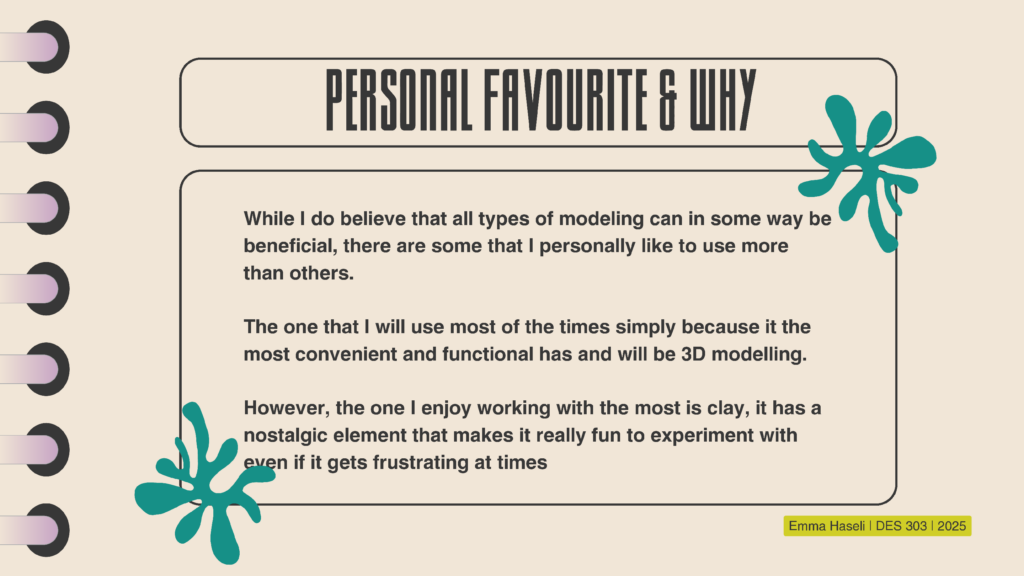
As mentioned in last week’s blog, I had a very hard time honing in and focusing on a specific technical skill to demonstrate for the presentation this week. After deliberating for weeks, I finally decided that I should just go with my own favourite part of any project. That is prototyping. I decided that I should demonstrate different ways we prototype and how different types of prototyping can be useful in different parts of any project. I thought this would be a helpful skill to learn and/or be reminded of because I believe that we as a collective rely a little too much on the digital aspect of design. While I have also spoken about the merits of digital prototyping, I have also talked extensively about other types as well, such as cardboard modelling, clay modelling and paper modelling.
The overall feedback received during the presentation itself was that my team members hadn’t realised how useful prototyping can be even in terms of developing the projects rather than simply creating the final product. It was very interesting to watch other people’s demonstration as well. It was my particular, in my opinion the most useful was the blender lighting demonstration as I have always had some issue with it.
Unfortunately looking ahead I am unsure about my next steps in terms of initial experiments and products of materials I would be interested in experimenting with for the rest of my project in DES 303.
Presentation Slides
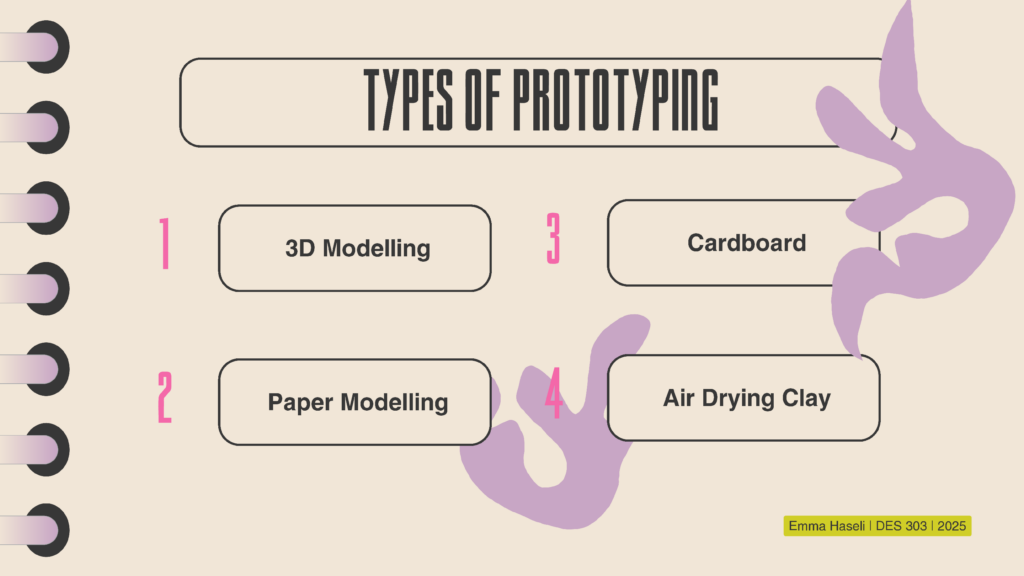
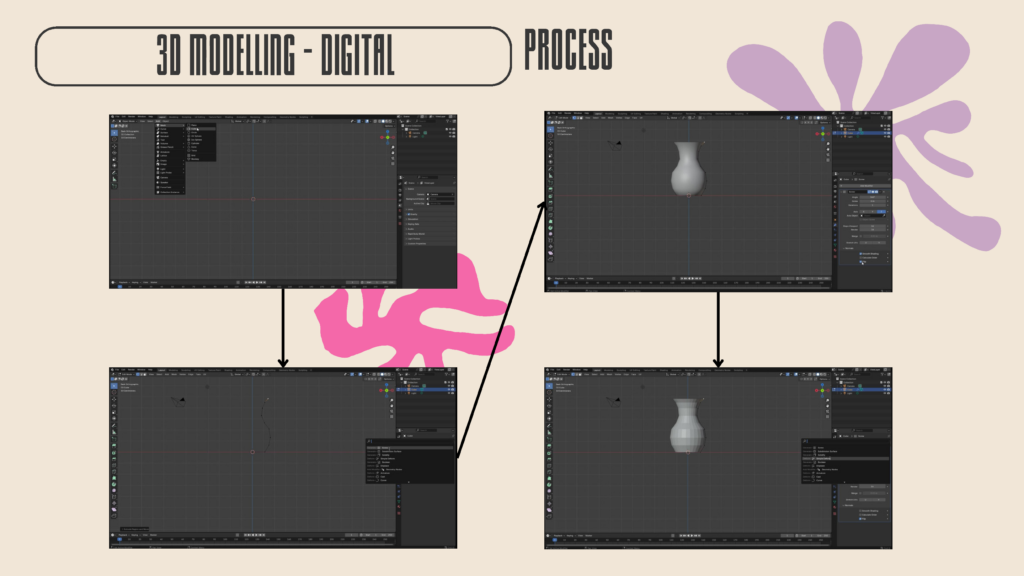
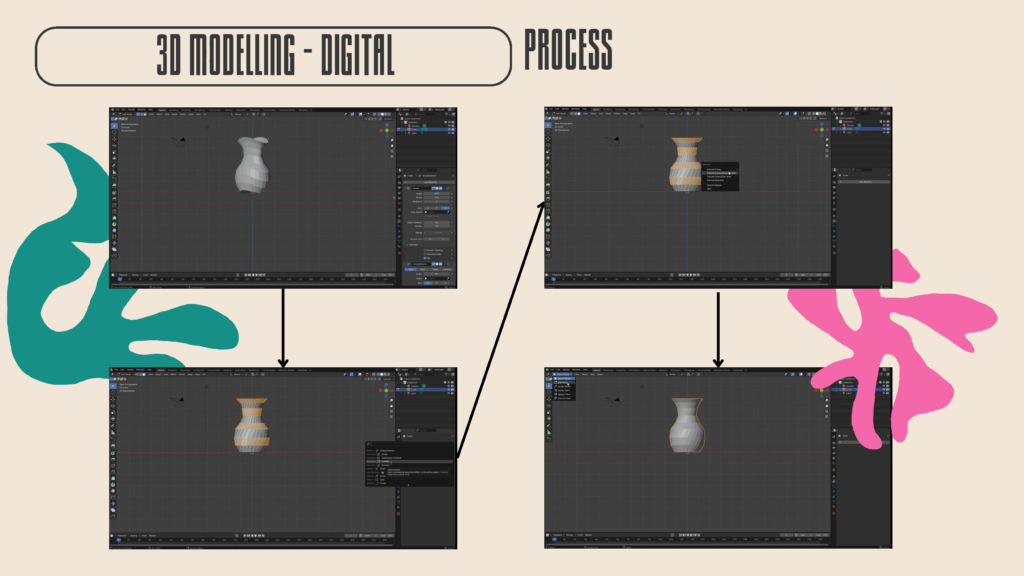
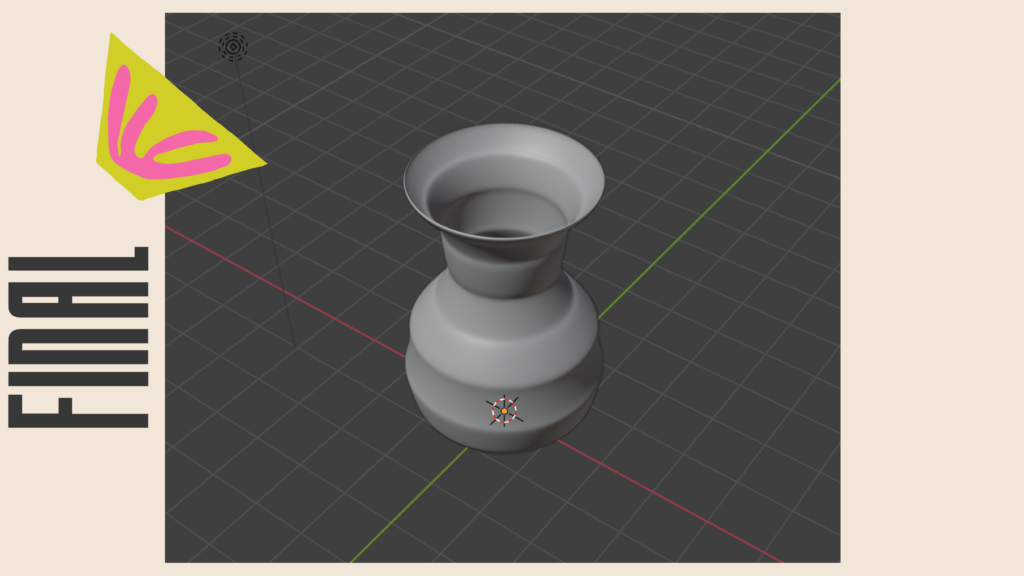
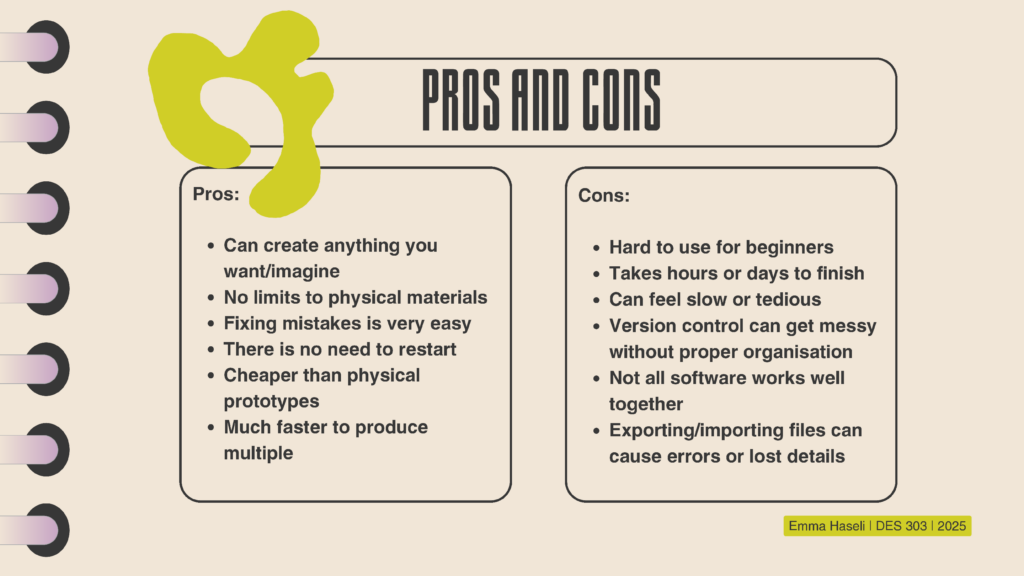
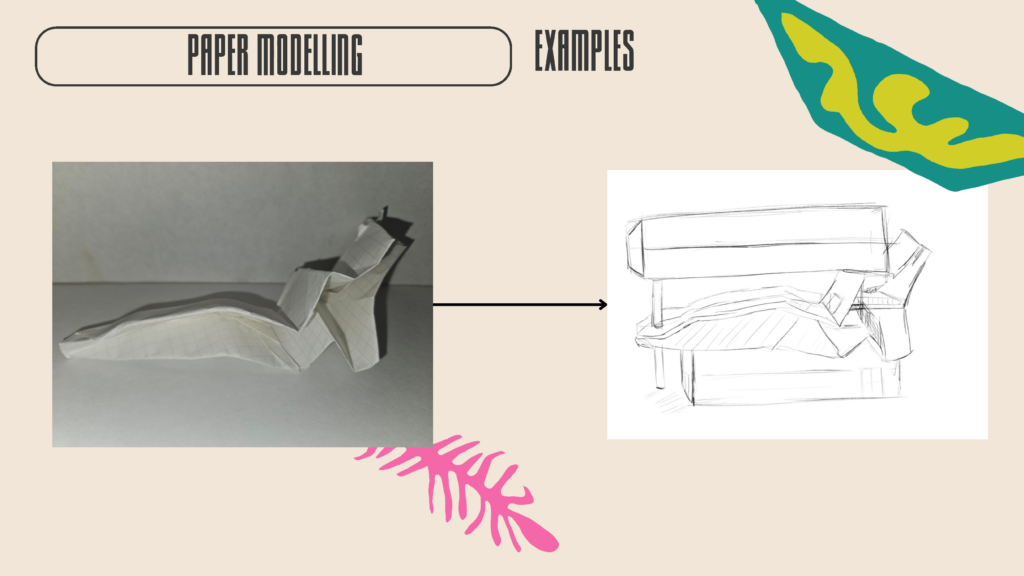
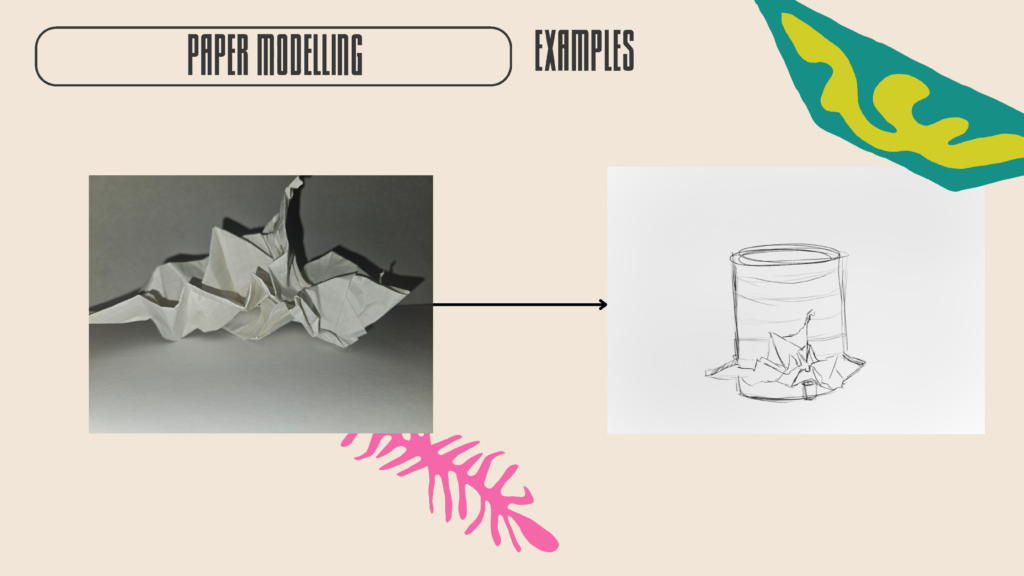
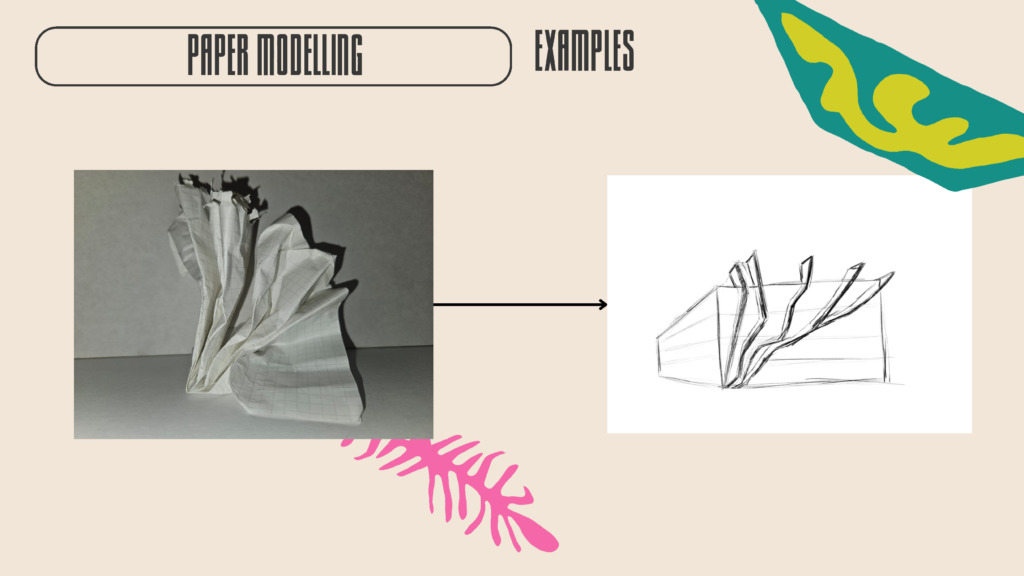
Feelings
I thought about my nerves extensively for the few days before my presentation and came to realise that in comparison to other years I practically had no nerves or fear. Of course, I was slightly worried about running over time or not being able to explain my points well or as clearly as I would like. However, I realised, as I was presenting, that I should just do as I had planned and I should be fine. I finished on time and managed to get everything across to my teammates in an orderly fashion which made me happy.
I do believe that people find it hard to be completely honest with each other face to face so while it did not surprise me that the written peer review was slightly different than what was said and praised in class, it did make me feel ever so slightly dejected. I do however understand why that would be the case and I do not hold it against my teammates.
As of this moment I am completely uncertain about my ideation process which is bringing me quite a bit of stress.
Evaluation
I am glad that I managed to complete in time, while explaining four different types of prototyping as well as managing to do a prototyping exercise with my team. I think I stayed on topic and was confident and well versed in my work.
Considering the peer review and looking back perhaps if I had narrowed down the types of prototyping, perhaps comparing and contrasting two against each other that would have been a more succinct and well executed plan. As I am writing this a thought occurred to me that perhaps as part of my ideation I could consider two different materials commonly used in prototyping as well as packaging and the benefits and constraints of each and how they compare..
Analysis
I believe that due to classes I have taken all the way back in highschool and also my fondness for creating in general, prototyping has always been one of my favourite aspects of any project. It allows me to visualise and actually feel like something has been created.
It is important to mention that during the past 3+ years at the university I have prototyped several times and in various different ways which has allowed me to feel confident showing and explaining it to other people. Other skills that have been helpful have also been presentation skills, which again throughout highschool and university I have had to do which has built tolerance and immunity as well as confidence in those skills over time.
Beyond the actual detailed information that I gained and learned during the demonstration, I learnt a very valuable thing and that was that everybody has something that they are good at, including me. It was interesting to see all the different skills and demonstrations that my team members showcased as well as the fleeting glances at other teams presentations as well.
Conclusion
Based on peer feedback, I would narrow and hone my projects and presentation more in the future, this way I can easily demonstrate and explain without the concept being a little too vague. For example, instead of picking 4 different types of prototyping, I only pick one or two.
Based on my experiences alone, I hope that next time, I can pick a topic quicker, so I can have longer to develop and truly build upon the project, instead of spending more time deciding on the actual subject matter.
Other demos used a lot of video demonstration while I didn’t and throughout their presentations I realised what helpful tool videos can be, regardless of the speed they have been filmed at (at-pace or fast-forwarded).
Action Plan
While I think there is always room for improvement, I believe that this time around, my presentation skills was not the lacking aspect of my work but rather the topic itself. For next time I will ensure to go to the picking process earlier and to avoid getting stuck in the indecisive routine.
In addition, I should really get started and will be working on the ideation project from this week onwards. So i will need to do some research to fully grasp and pick concepts for those as well.
Gibbs, G. (1988). Learning by doing: A guide to teaching and learning methods. Further Education Unit, Oxford Polytechnic.
University of Edinburgh. (2024, October 15). Gibbs’ reflective cycle. Reflection Toolkit. https://reflection.ed.ac.uk/reflectors-toolkit/reflecting-on- experience/gibbs-reflective-cycle