This week was insane. From knowing what I was doing to having no idea, to considering ideas during class to completely changing my mind every few minutes to realising that I didn’t need to use this process for the rest of my project and that I wasn’t necessarily responsible for teaching other people these skills but was rather showcasing the skillset, it’s been a rough and tremendously stressful week.
I considered so many different things, from air drying clay modelling to creating trinket dishes, to leather work and making traditional Persian bracelet cuffs (which would connect my work to my heritage), 3D modelling, 3D printing, back to Adobe Aero (like last week) and MR spaces, paper prototyping, even to mosaic and glass work. And then I took a moment, I took a little break and considered what i most looked forward to in every creative project and I narrowed it down to prototyping.
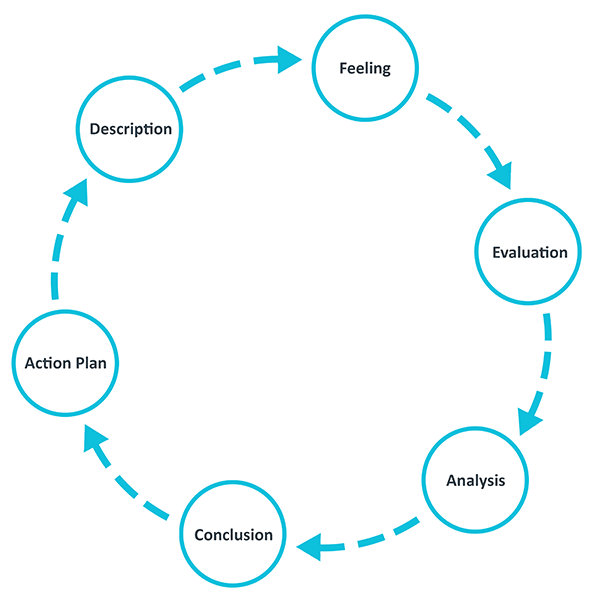
Once again, like last week, I will be using the Gibbs reflective Cycle (Gibbs, 1988) to show and articulate my experiences, what I have learned from it and how I‘d like to improve accordingly.
Once I had finally reached that decision it gave me immense clarity and relief. I finally knew what I was doing and while I knew I had quite a big task ahead of me, I had a starting point which meant a huge amount of pressure was off my shoulders.
I sat down thinking of different ways to show this process of prototyping effectively. Interestingly enough, looking back I have done a variety of different types of prototyping throughout my time at university, from creating different prototypes for classes and even during my time in secondary school, prototyping has been extremely useful.
I really enjoy all types of prototyping, from rapid, to physical prototyping and even digital modelling. It is a very useful skill to develop and also help in understanding the dynamics and the issues of a product without spending a lot of time or money manufacturing a product before you’ve tested it out with other simple tools first.
I started off by looking back at the different types of prototyping. I came up with six different types of prototyping.
3d Modelling
3D printing
Polystyrene/foam modelling
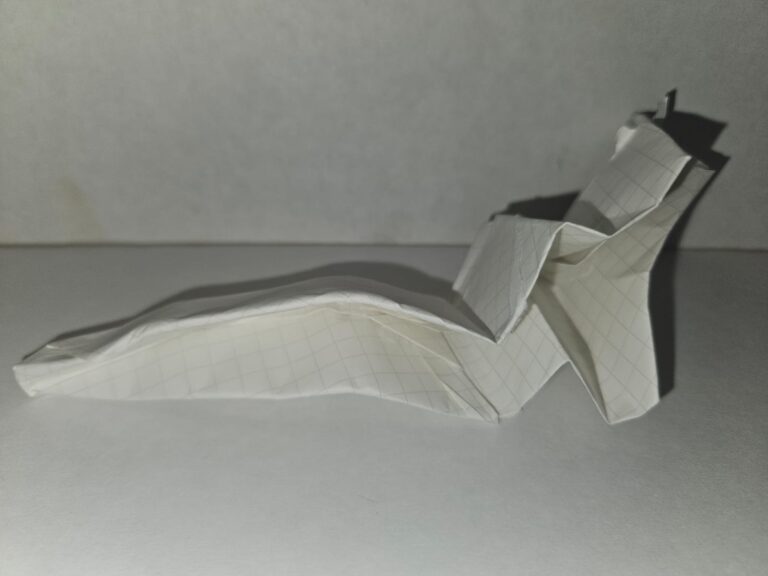
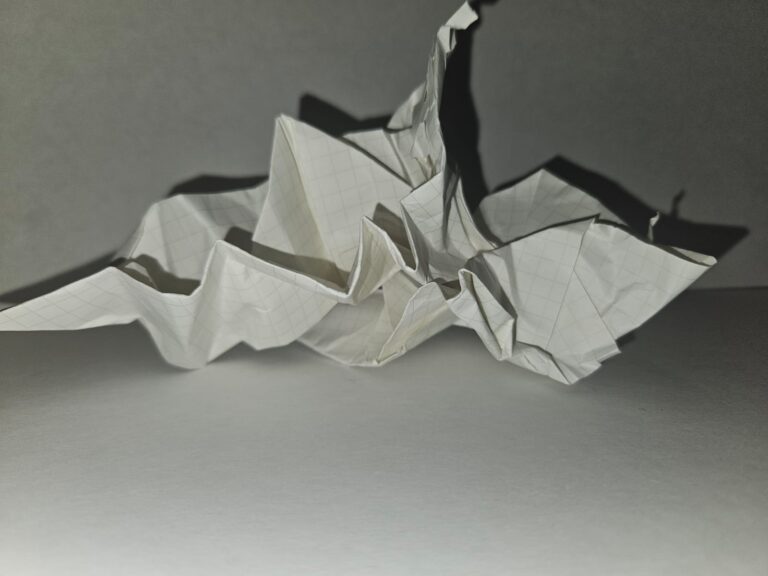
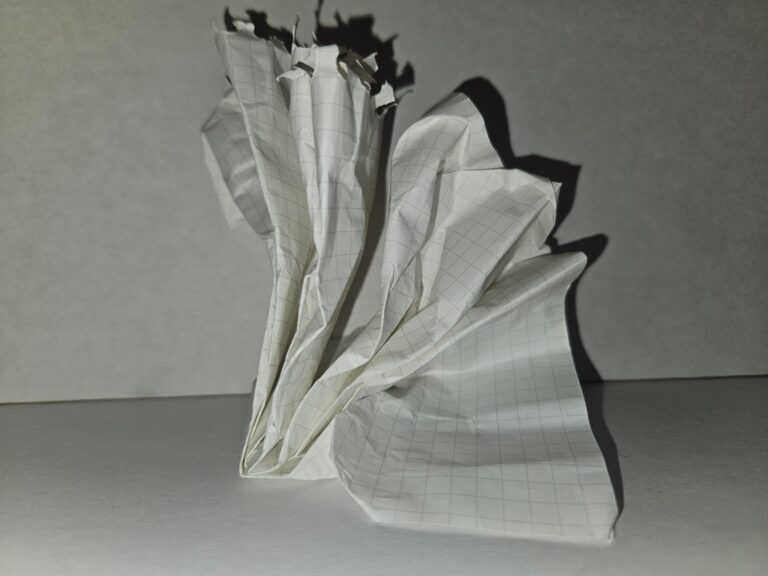
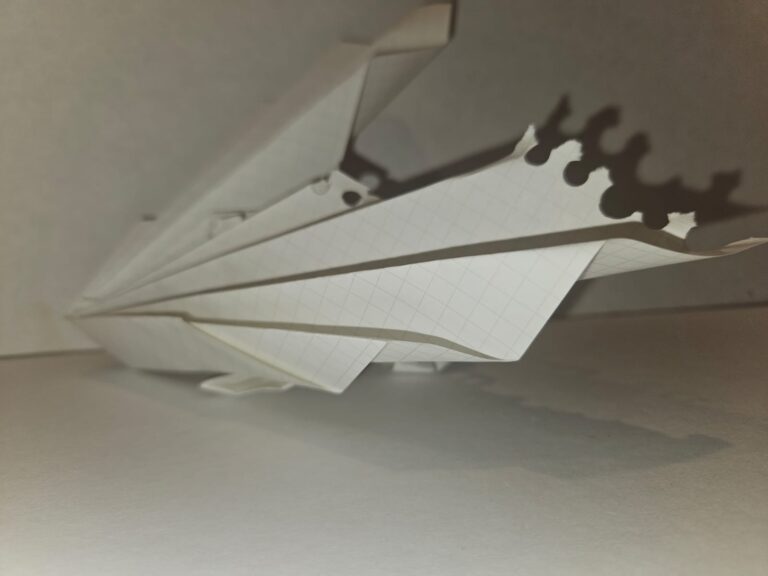
Paper modelling
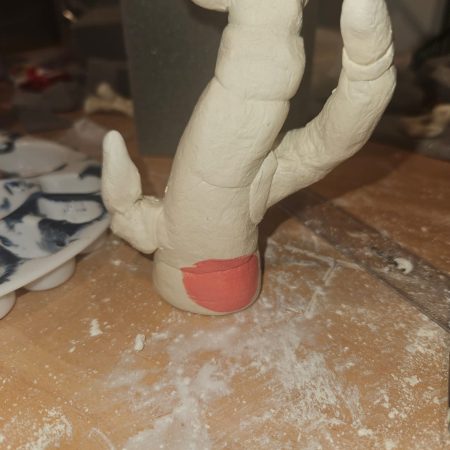
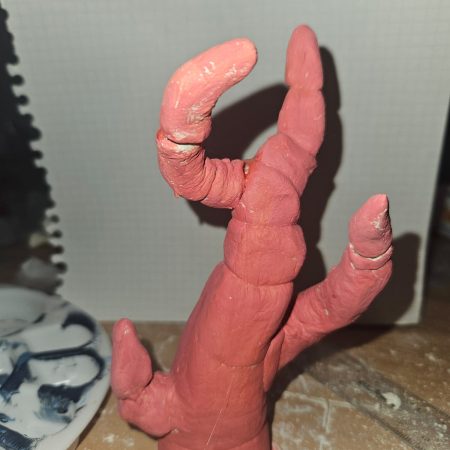
Clay modelling
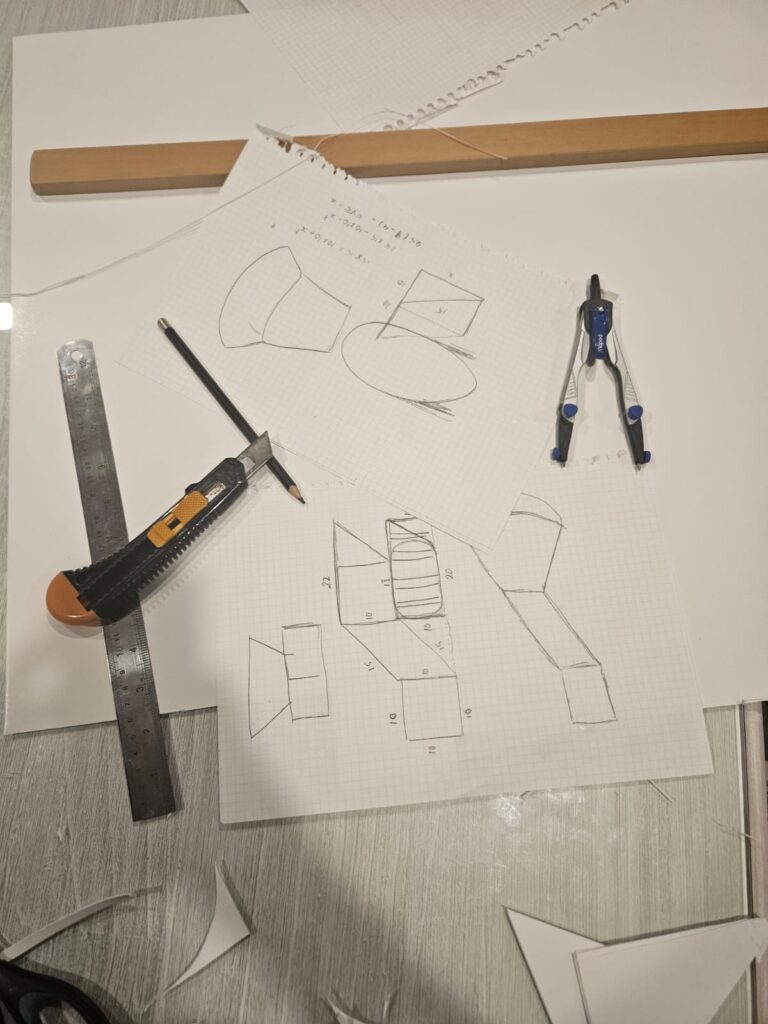
Cardboard modelling
I had done all of those types of modelling before but hadn’t had success with all of them so I had to take that into account.
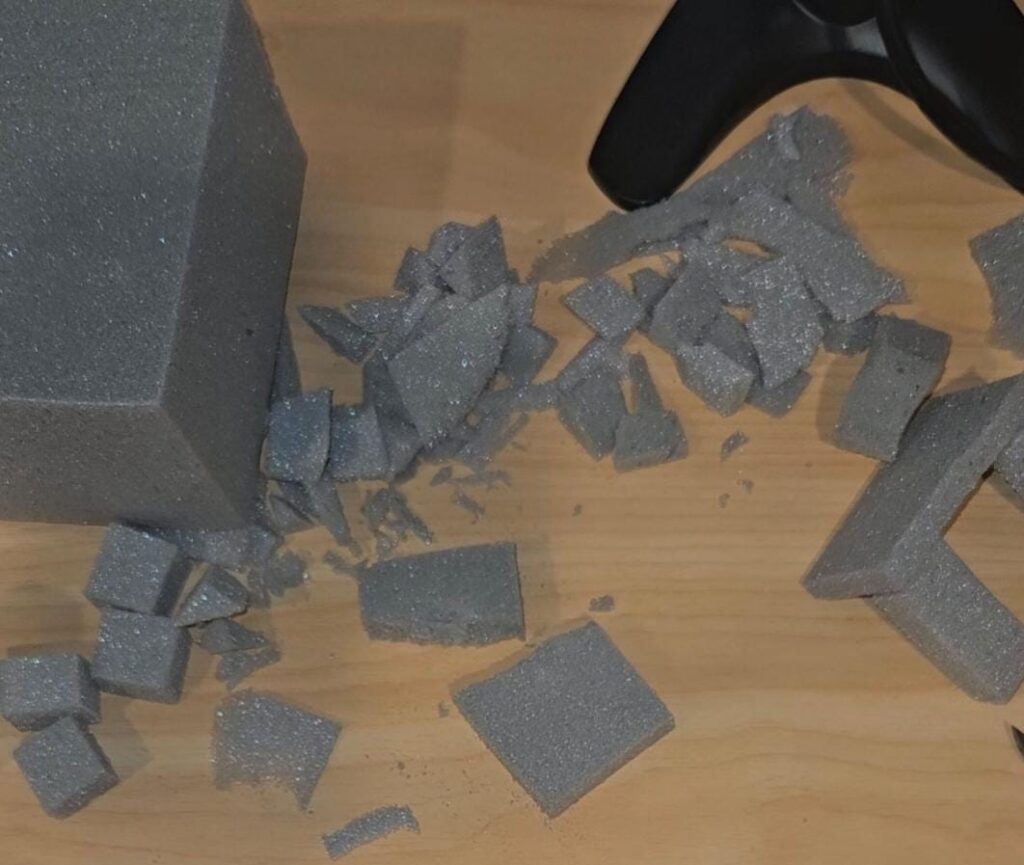
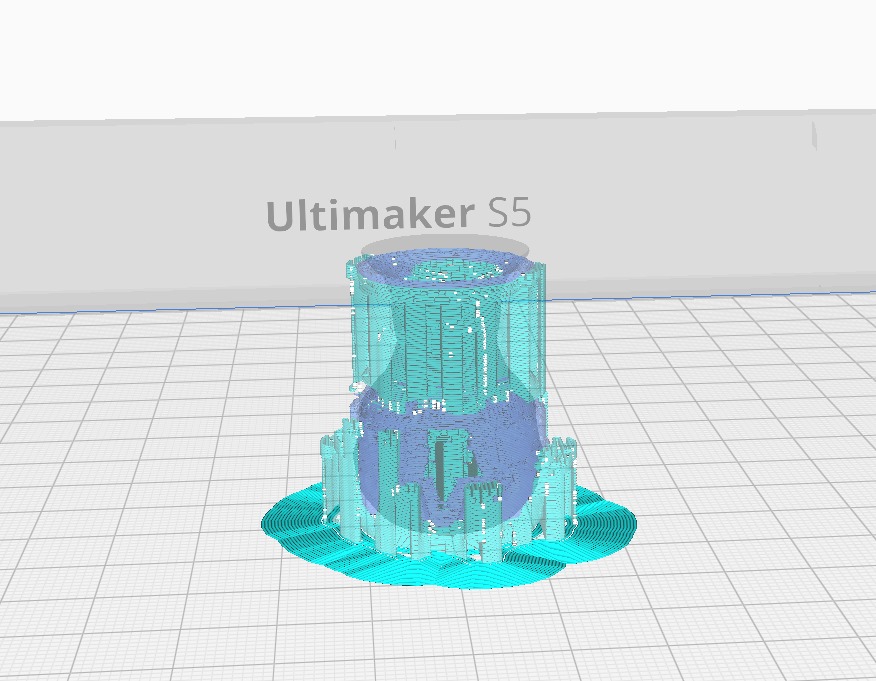
So, I started modelling with different materials. Slowly they started taking shape. But no matter how hard I tried some of the models simply did not work. No matter how I approached it, I could not get the 3D printing and the foam/polystyrene modelling to work in my favour. I tried quite and restarted multiple times but I eventually decided to stop. As I was in a time constraint I decided that for the sake of the demo I would focus on the other four types. I hope to try and experiment again with these types of modelling at a later date.
Throughout my process of working with the other four types I had some ups and downs but ultimately things were going along relatively smoothly. Each type came with its own unique sets of issues and benefits.
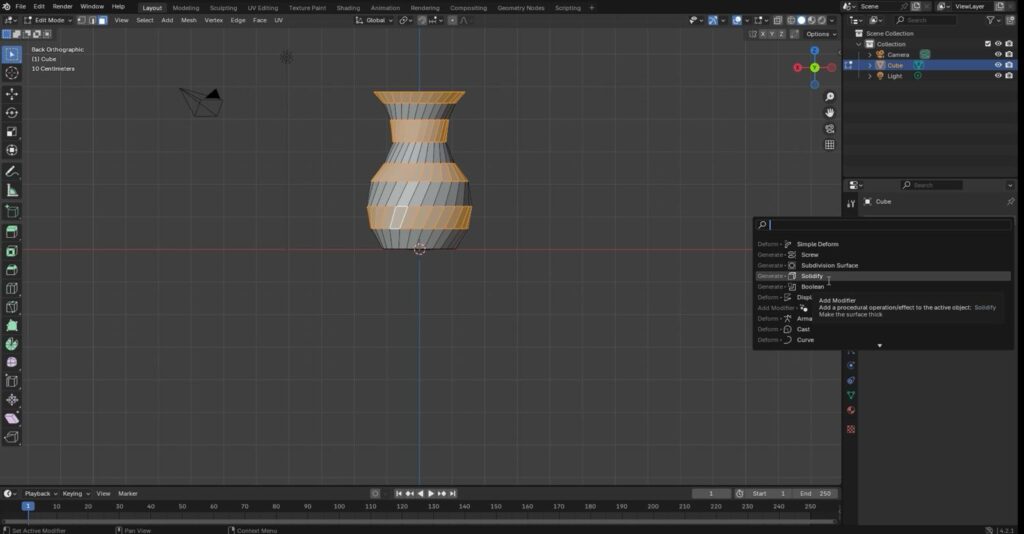
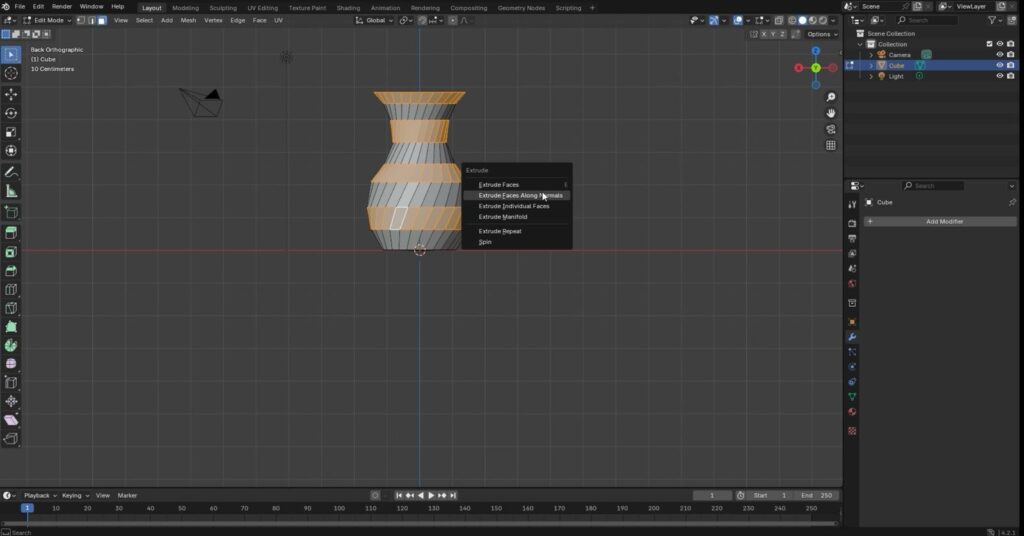
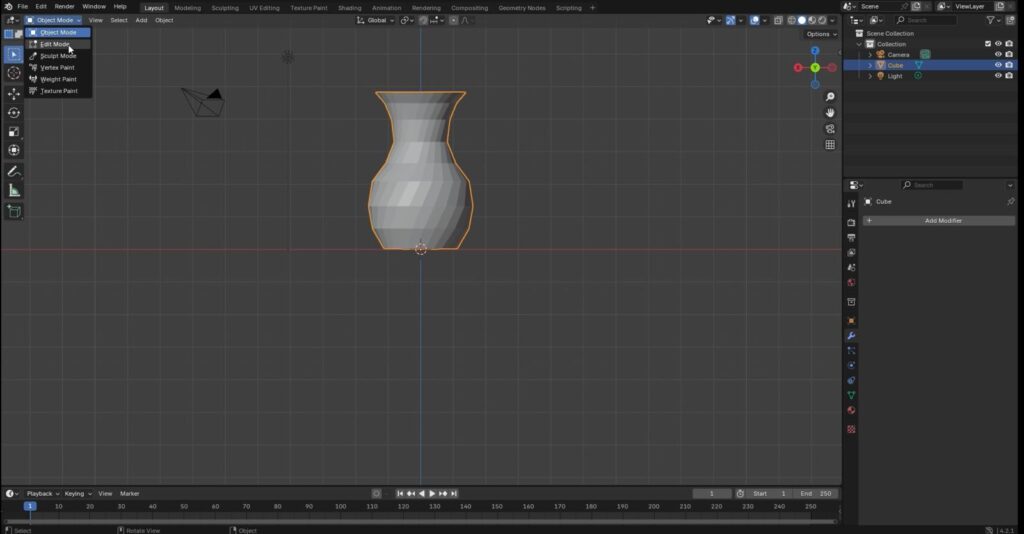
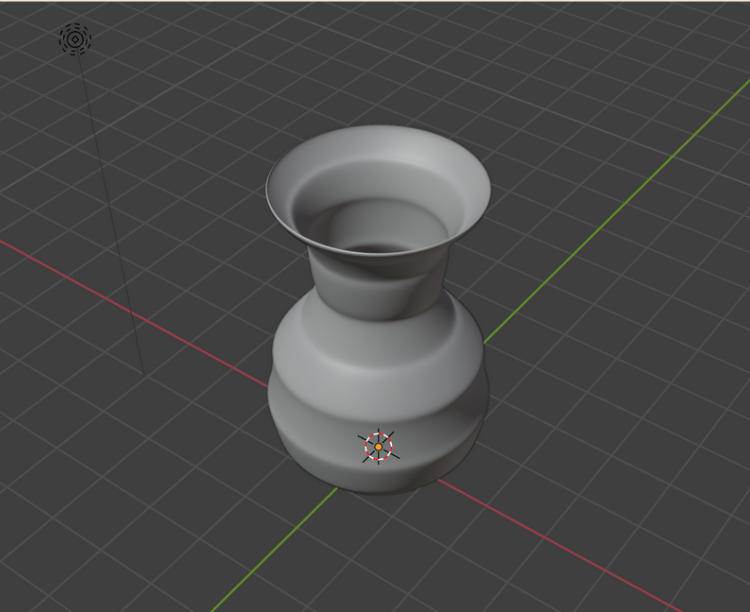
3D modelling
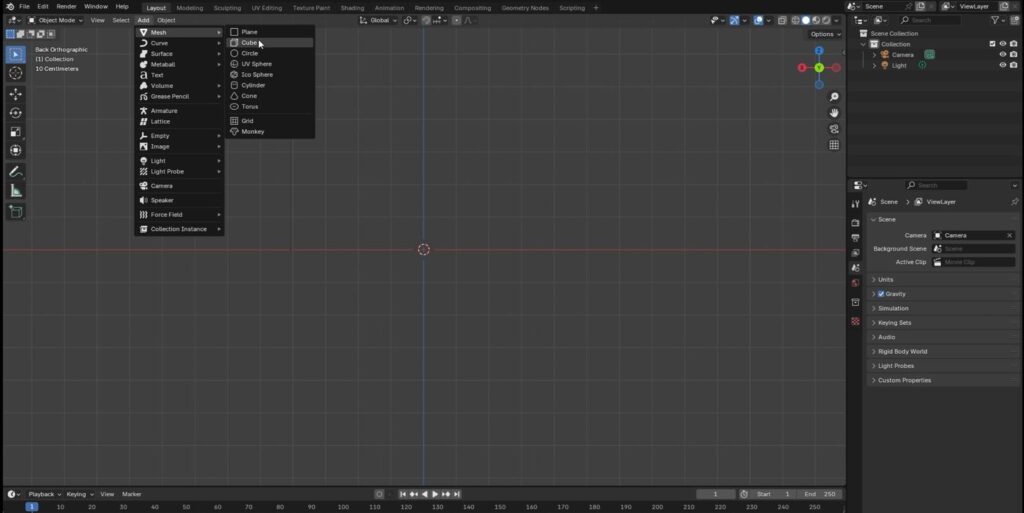
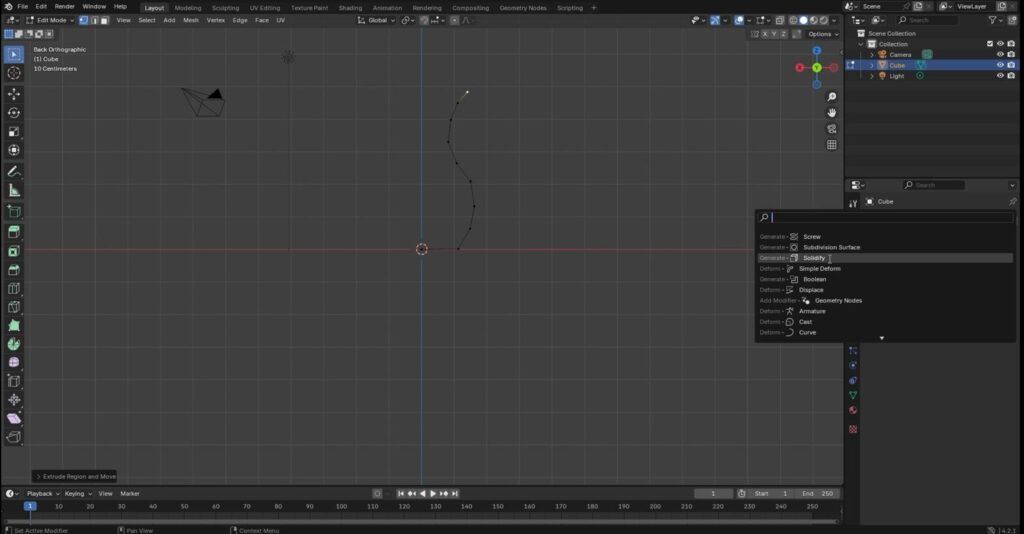
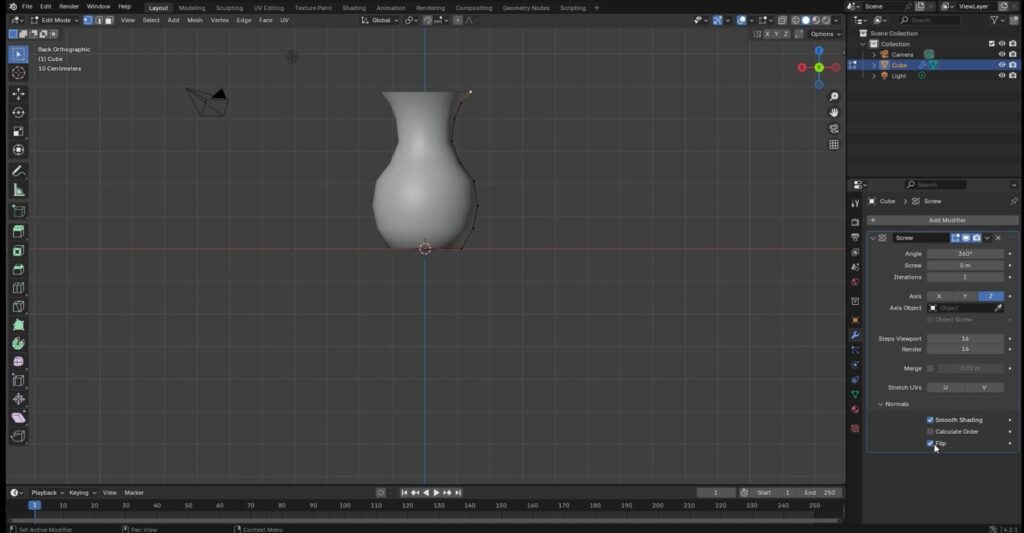
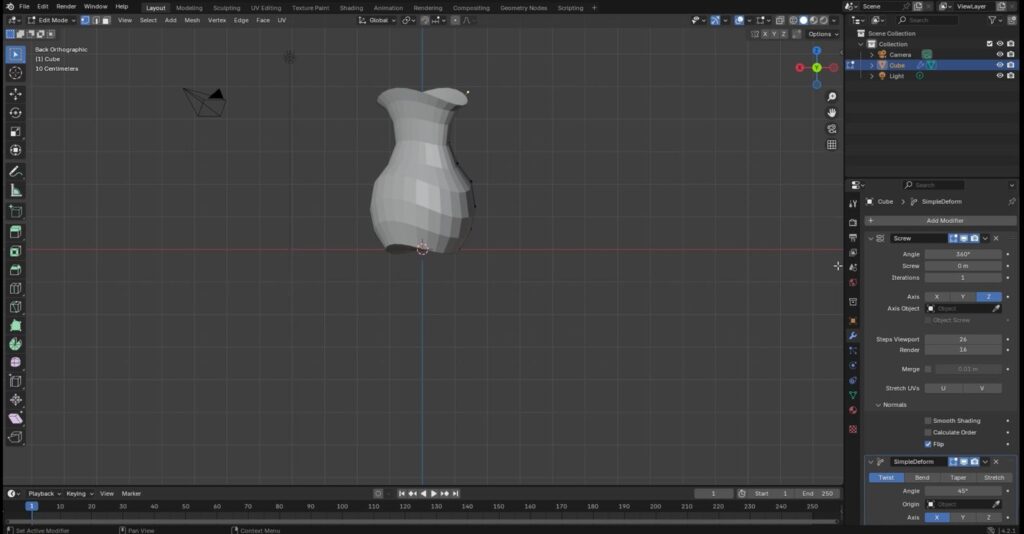
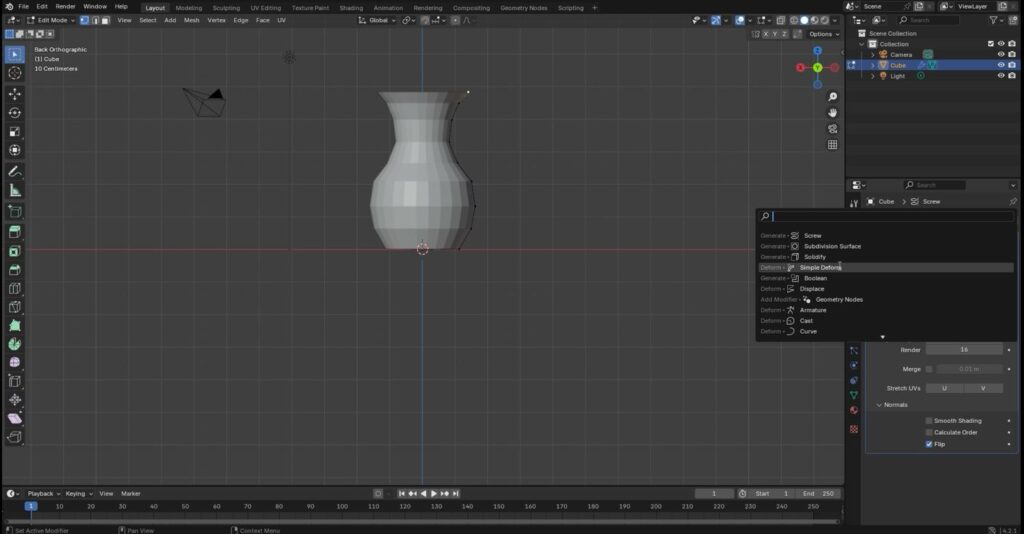
The 3D modelling process was probably the simplest one to demonstrate as I have the most experience in it. It was a relatively easy model to make. The only issue I faced was the shape of the model. No matter how many times I tried I could not get the model to form the shape I wanted. It ended up looking like a vase which was all I wanted anyway, but I had to restart about 20 times.
Paper modelling
Paper modelling went out without many issues. There is not much to say about this type of modelling, it is especially effective when trying to come up with new organic looking features. However, in terms of process, it is very simple. You shape a paper usually into whatever shape your heart desires and then you take a photo. That is essentially all there is to it.
Clay modelling
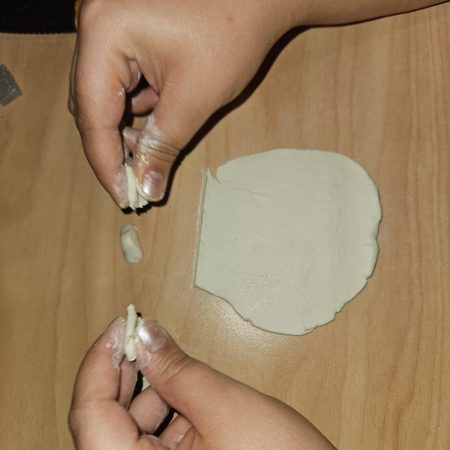
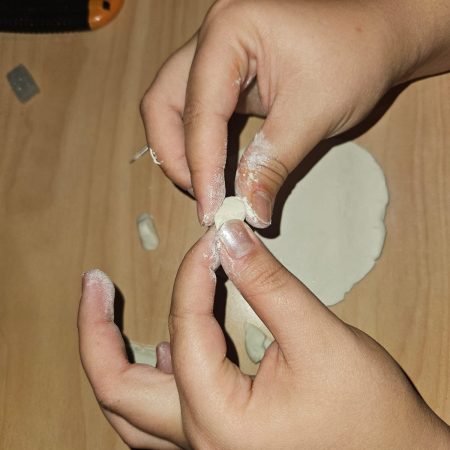
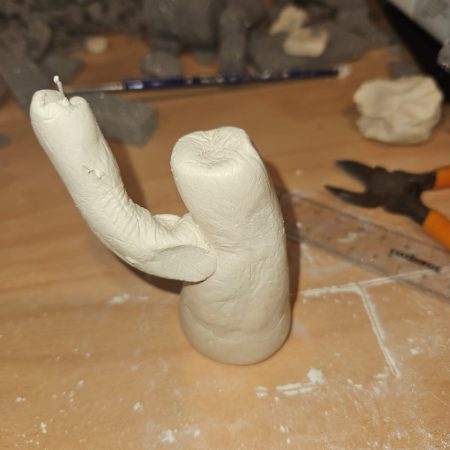
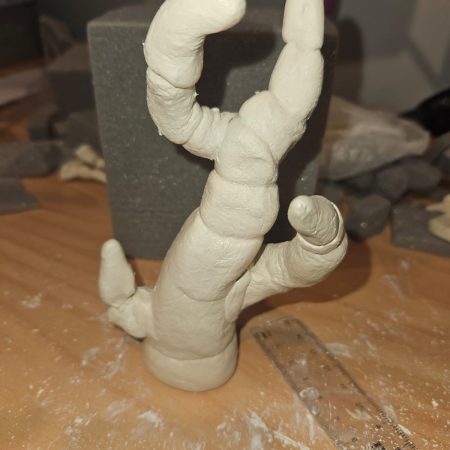
I came into clay modelling believing that it is a little challenging to get perfect because i how malleable it is. I finished the modelling process close to tears. It was extremely difficult to get right. However it was the one I was most excited about and enjoyed the most due the nostalgic factor and how similar it was to Play-Doh and other modelling compounds from our childhoods.
Cardboard modelling
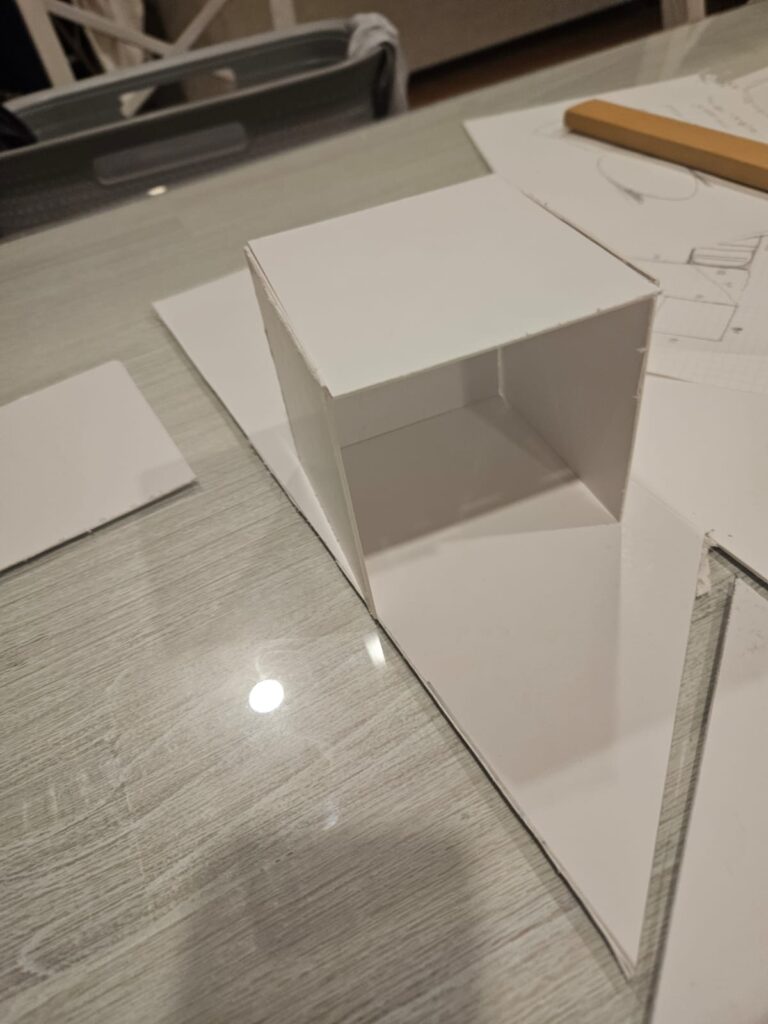
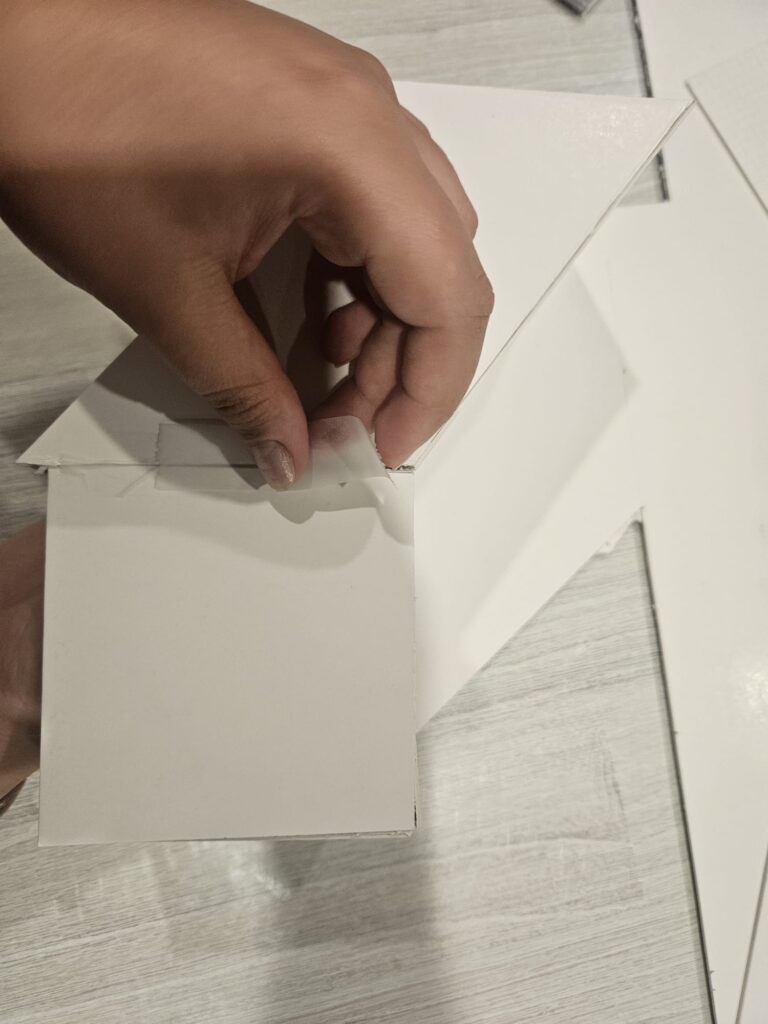
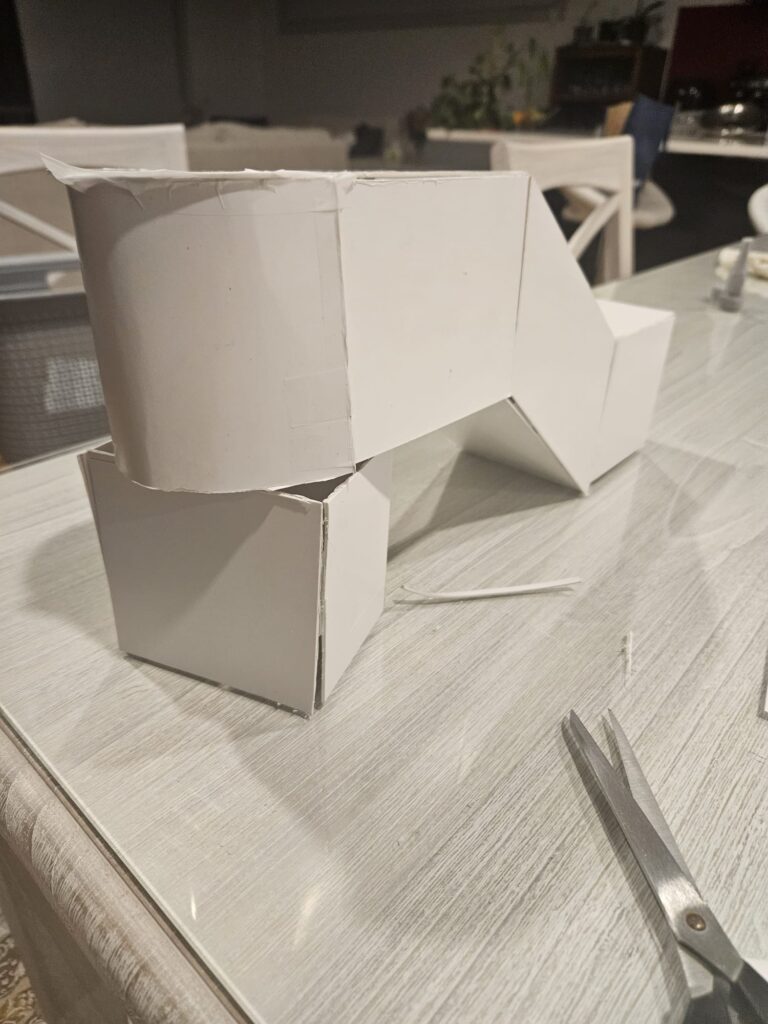
Cardboard modelling was perhaps the most straightforward one, that is not to say that it was easy, but rather that nothing about it was out of the ordinary. When it comes to cardboard you need to go into it with a premade plan, as unlike clay or 3D modelling you cannot simply add to the prototype as you go along.
My plan for the tech demo is to show that prototyping was not as daunting as some think it is. But as I didn’t have a plan in terms of what I was prototyping so I had a hard time planning and coming up with different demonstrations. If I had known exactly what I needed to create it would be a much easier job.
All in all, I believe that the bigger challenge was to figure out what I wanted to achieve through this project and what I wanted to demonstrate. After figuring those things out It became simply a matter of spending some time and getting it done, which is significantly simpler.
My next steps are actually taking everything into university and actually presenting to my team, hopefully I can do well and present with confidence and manage to showcase my points well.